LLM application architecture
How models interact with APIs, structured data, application logic and production systems — not a chat box as the product.
AI Solutions Architect & Lead Engineer
Founder of RankQuest
18+ years designing and building production software systems. Today I apply that experience to AI-powered applications, decision systems and automation — combining deterministic software with LLM-assisted reasoning. Open to roles focused on LLM and agentic applications.

About
Seniority first. AI is the current application of a long engineering career — not the start of one.
Over the last 18+ years I have designed, built and shipped production software: architecture, backends, clients, integrations and products — across startups, client systems and my own studio.
That work spans SaaS, automation, IoT and smart-building platforms, hospitality systems, commercial WordPress products, mobile and desktop applications, and more recently AI-powered products using LLM APIs inside real software systems.
I have helped launch mobile games in Greece, worked on smart building and energy management platforms in Dubai, and built hospitality automation and reservation systems in Austria. Some products worked. Some startups failed. The through-line is systems that have to run.
People rarely lack information. They lack clarity.
Founder work is part of the architecture story: taking an ambiguous business problem, designing a system, making trade-offs, and shipping. That is the same muscle required of an AI solutions architect.
AI Architecture
AI belongs inside software architecture: data, rules, models, validation and action. The model is a component — not the system.
How models interact with APIs, structured data, application logic and production systems — not a chat box as the product.
Systems that inspect context, choose a next action and execute a workflow, while software still owns data, constraints and outcomes.
Combining structured signals, deterministic evaluation and LLM reasoning. RankQuest: evaluate website signals, rank impact, then guide implementation.
Putting model calls inside real product flows — analysis, generation and guidance — instead of treating AI as a standalone feature.
Backends, APIs, databases, data flows and integrations across SaaS, automation and IoT — including event-driven platforms and multi-surface clients.
Translating business requirements into architecture and an implementation plan, then owning the path from design through shipping.
Flagship case study
AI-powered SEO decision & implementation system
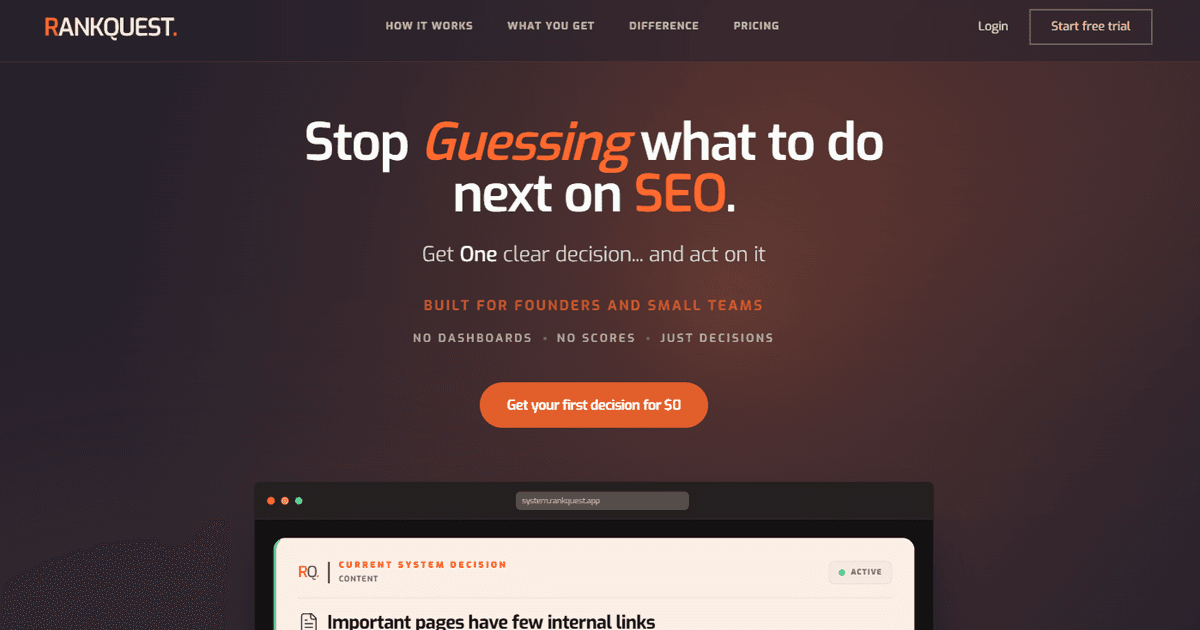
Traditional SEO tools present large amounts of data. Teams still have to decide what matters and what to do next. RankQuest is built around that gap — between analysis and execution.
RankQuest continuously evaluates website signals and identifies the highest-impact growth opportunities. Each recommendation includes implementation guidance and actionable next steps. Current capabilities include technical SEO analysis, content growth planning, SERP-informed content generation and continuous growth monitoring.
Website signals, technical analysis and growth monitoring are data-driven. Opportunity identification is product logic: evaluate signals, rank impact, recommend a next step. OpenAI is in the stack for AI-assisted work such as SERP-informed content generation and implementation guidance. Humans remain in the loop for execution.
Data-driven
Website & search signals
Data-driven
Technical SEO analysis
Deterministic
Signal evaluation
Deterministic
Opportunity prioritization
AI / LLM-assisted
SERP-informed content generation
AI / LLM-assisted
Implementation guidance
Human in the loop
Human or assisted execution
Data-driven
Continuous growth monitoring
Deterministic before probabilistic
Website signals are evaluated and opportunities are ranked in product logic first. OpenAI is used where generation and guidance help — not as a substitute for that evaluation.
Decision engine, not a dashboard
The product issues prioritized next actions with implementation guidance, rather than leaving teams inside a pile of SEO reports.
Human in the loop
Execution stays with the user. The system recommends and guides; it does not silently change a live website.
In active development as my current focus. No public outcome metrics are listed here because none are published on this site.
Experience
Roles from LinkedIn, in reverse chronological order — architecture, product, and engineering first, with earlier work included for completeness.
RankQuest · Full-time
Jan 2026 — Present · Greece · Remote
Building and architecting an AI-powered SEO decision system that turns website and search data into prioritized actions and implementation guidance.
Keyonic GMBH · Contract
Jan 2022 — Jun 2026 · Vienna, Austria · Hybrid
Co-leading the development of a smart automation platform, designing scalable architecture and driving technical strategy.
JoyFoundry LTD · Contract
Jan 2014 — Jan 2022 · Athens, Greece · On-site
Architected and developed scalable enterprise applications across backend and frontend systems.
Neuhaus Media · Freelance
Jan 2013 — Jan 2015 · Zürich, Switzerland · Remote
Led a team building a full-stack virtual magazine application for iPad.
Trans Adriatic Pipeline (TAP) AG · Full-time
Jan 2013 — Jan 2014 · Athens, Greece · On-site
Developed a Windows-based GIS mobile application for collecting cadastral data used in infrastructure planning.
NDiastasi · Freelance
Jan 2011 — Jan 2013 · Athens, Greece · On-site
Managed software development projects from planning through deployment.
VERIAH LIMITED · Full-time
Jan 2009 — Jan 2011 · Athens, Greece · On-site
Designed and developed mobile and web applications, with emphasis on usability and performance.
Eurobank · Full-time
Jan 2009 — Oct 2009 · Athens, Greece · Hybrid
Enhanced the design of one of Eurobank’s platforms with CSS and HTML improvements for visual consistency and navigation.
Inaccess by Power Factors · Full-time
Jan 2008 — Jan 2009 · Athens, Greece · On-site
Developed and designed the frontend for smart home and solar management platforms.
Germanos · Part-time
Jan 2007 — Jan 2008 · Athens, Greece · On-site
B2C sales over the phone, focused on product promotions and client acquisition.
Selected systems
Systems where several moving pieces had to work together — IoT, AI-assisted product flow, and a long-lived commercial product.
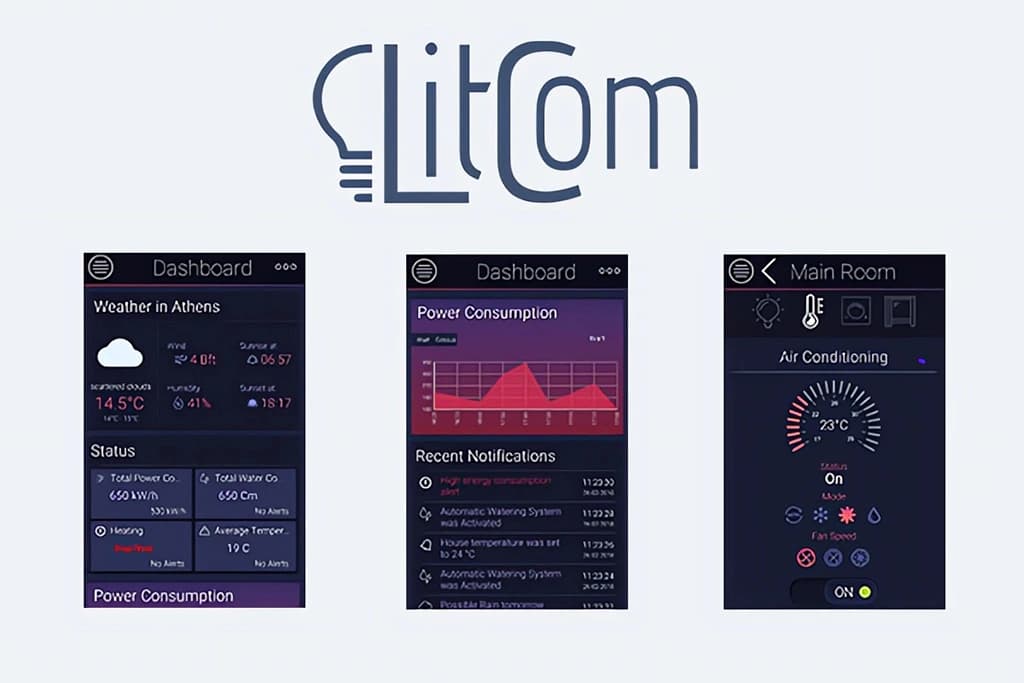
IoT platform across mobile, web and backend
Problem. Building operators need one system to control devices, track events, program scenarios and receive notifications — across protocols, not a pile of isolated apps.
Built. A complete automation and management platform: device control, event tracking, scenario programming and notifications, including KNX.
Architecture. Multi-surface architecture: Quasar clients, Unity 3D, Node.js backend, MariaDB, Python, WebSockets and KNX. Event-driven control rather than a single-page UI talking to devices directly.
Key challenges
Data-driven
Devices & KNX
Deterministic
Backend services
Deterministic
Events & scenarios
Deterministic
WebSockets
Human in the loop
Mobile / web / Unity
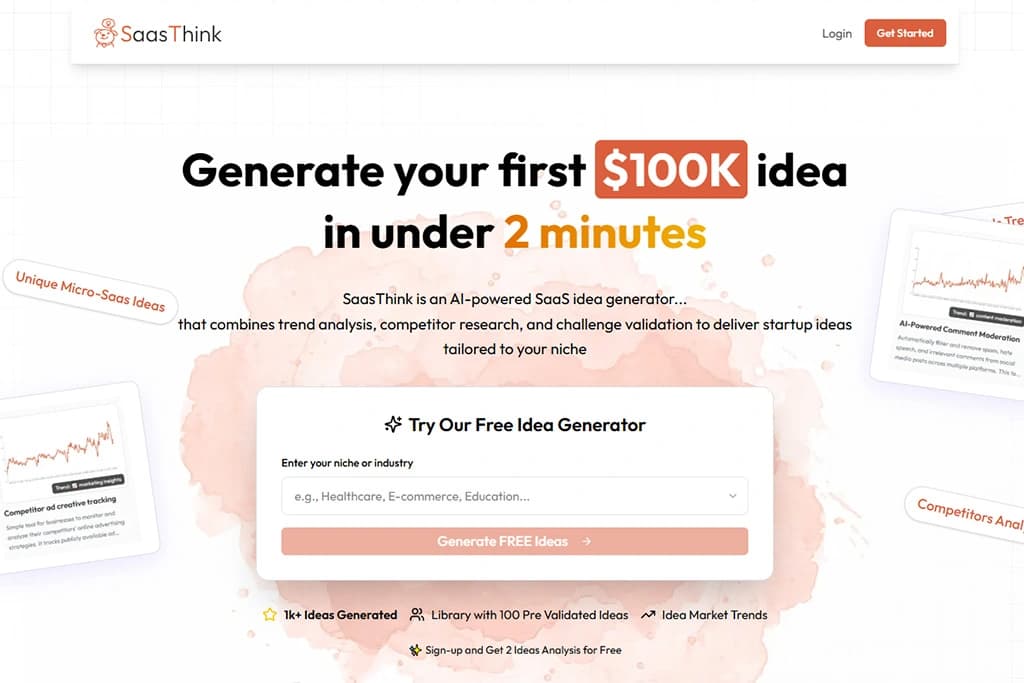
Problem. Many founders stall between inspiration and a validated opportunity. Generic chat is not a structured way to generate, evaluate and refine a software business idea.
Built. A platform that combines structured thinking, market context and AI-assisted analysis so founders can generate, evaluate and refine SaaS ideas.
Architecture. Product architecture around a repeatable ideation flow — not an unbounded chatbot. Next.js, Supabase and OpenAI, with the model used inside a defined process.
Key challenges
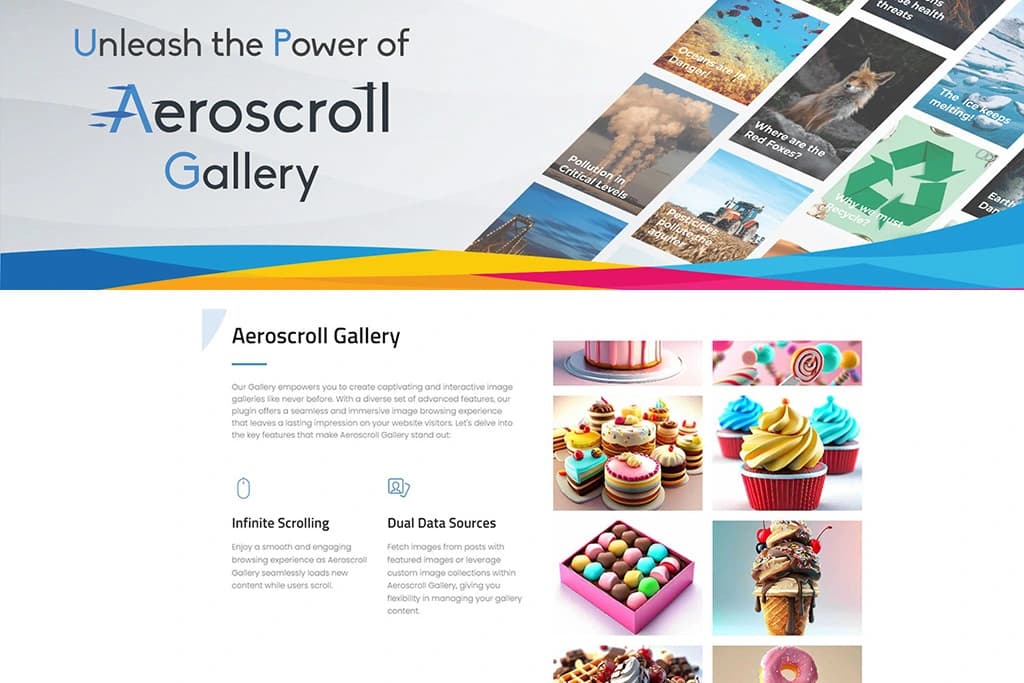
Problem. Site owners needed flexible gallery experiences without assembling a fragile stack of plugins, layouts and performance workarounds.
Built. A WordPress plugin that became a commercial product ecosystem: gallery layouts, image management, optimization and customization.
Architecture. Long-lived product architecture: Quasar/Vue client, WordPress/PHP, MariaDB — plus distribution, support and maintenance over time, not a one-off build.
Key challenges
Architecture philosophy
Use AI where judgment is needed. Use deterministic software where certainty is needed.
Rules when the answer is known. Models when interpretation is required. Humans when accountability matters.
Strong AI systems combine the pieces below. AI is part of a well-designed architecture — not a replacement for one.
01
Data models, APIs, constraints, persistence and execution paths that must be reliable.
02
Collect and normalize what the system can actually evaluate — not a dump of raw reports.
03
Prioritization and eligibility belong in product logic when the answer should be stable.
04
Use a model where judgment, generation or interpretation helps — not as a substitute for the rest of the stack.
05
Recommendations still need checks. People stay in the loop where execution has real cost.
06
The system should help someone do the next step, not only describe the world.
Skills
Current stack and architecture first. Older technologies sit separately — they are real production history, not what I lead with.
Shipped in production. Not the stack I design with today.
Before AI was the product
Before LLMs became part of my work, I spent more than a decade shipping SaaS, mobile, IoT, games and business systems. Six examples — the rest lives on a separate page.

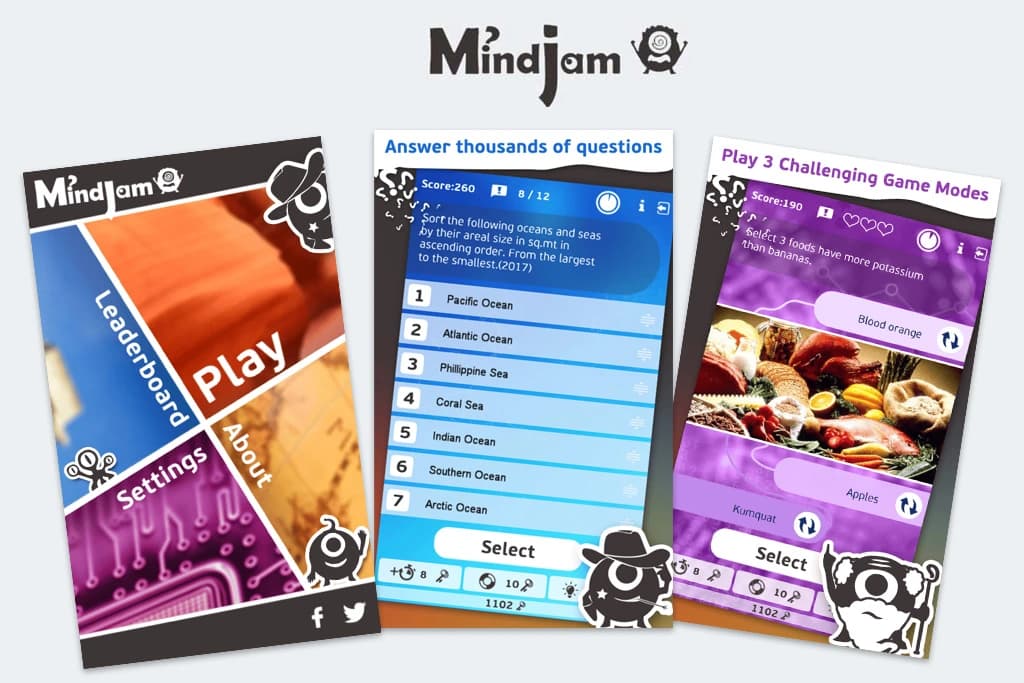
Global Trivia Competition
A knowledge quiz game for iOS and Android where players answer thousands of questions across Science, Geography, History, Sports, Cinema and more. Features image-based questions, f…
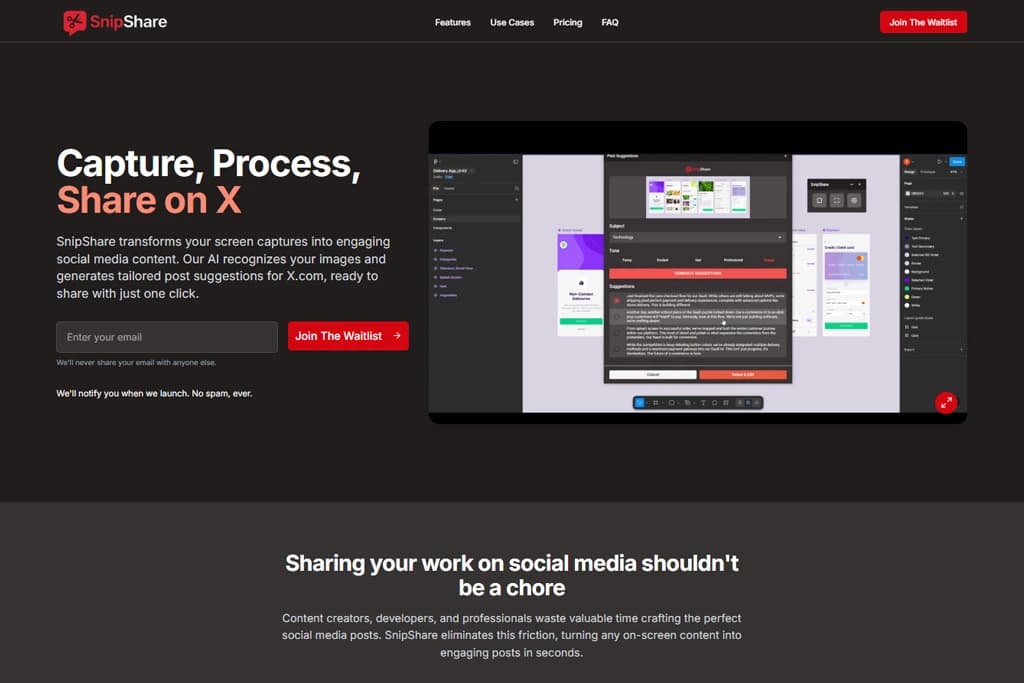
Screen Captures to Social Content
SnipShare transforms screen captures into engaging social media content. The app recognizes images and generates tailored post suggestions for X.com, turning the friction of sharin…
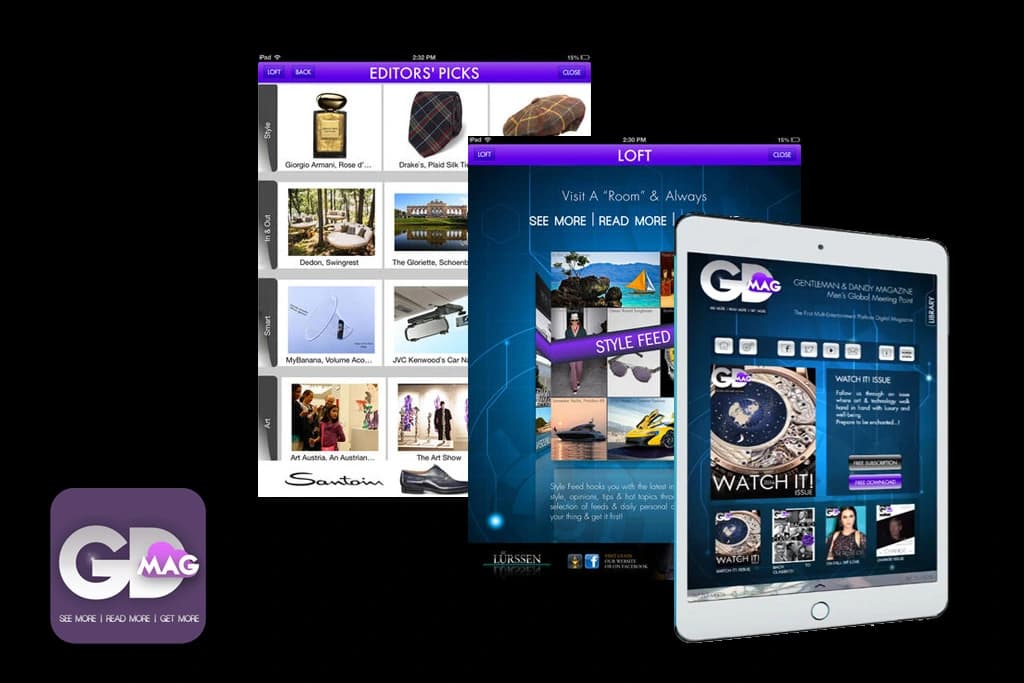
Virtual Men's Magazine for iPad
An interactive virtual magazine for iPad designed for men, offering curated content on lifestyle, fashion, technology, health and culture — delivered through video and interactive …
Contact
Open to AI Solutions Architect, AI Architect, Lead AI Engineer and Senior AI Engineering roles focused on LLM and agentic applications.